
Robotic Cholecystectomy in Lancaster
Robotic cholecystectomy is a minimally invasive operation to remove a diseased gallbladder, most often because of gallstones and the pain they cause. Aldo Gamarra, MD provides specialty medical care in Lancaster, CA with a careful, patient-centered approach to deciding if this surgery is right for you.
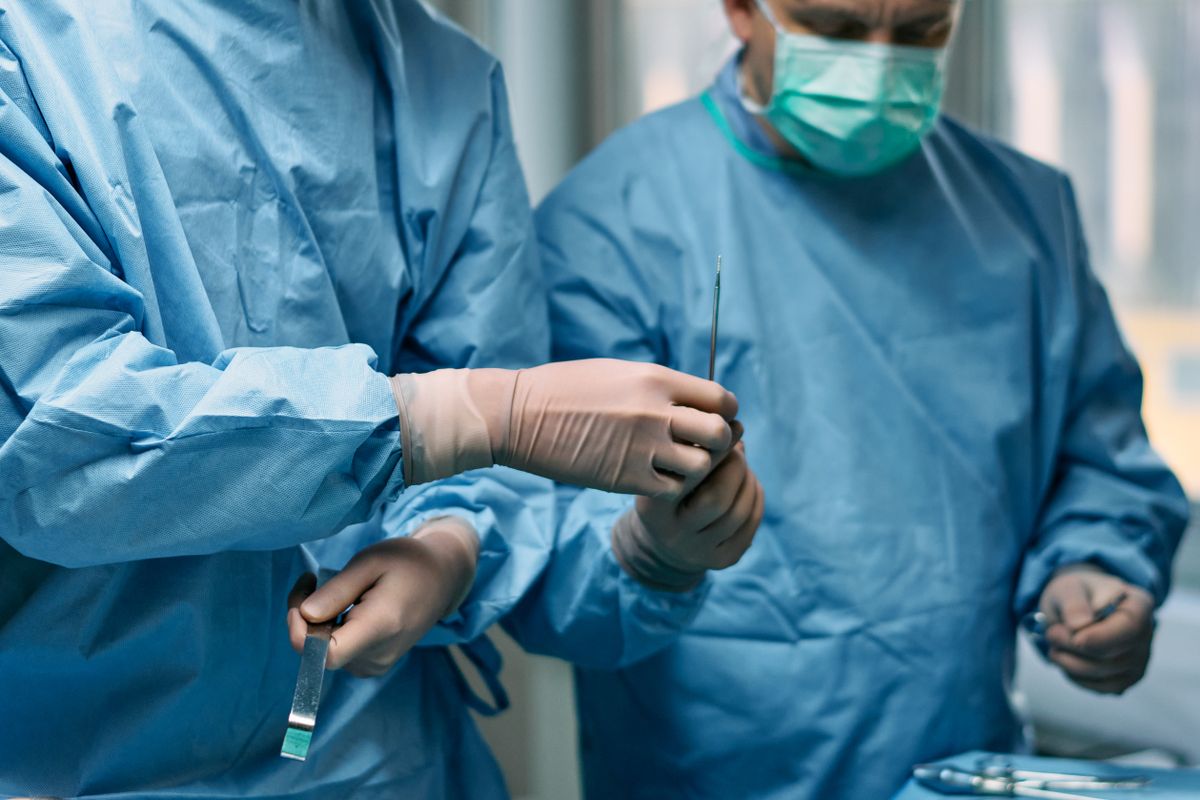
What is Robotic Cholecystectomy?
The gallbladder is a small pouch beneath the liver that stores bile, a fluid that helps digest fats. When gallstones form, they can block the flow of bile and cause sharp pain, inflammation, nausea, and sometimes serious complications such as infection or pancreatitis. Removing the gallbladder, called a cholecystectomy, is the standard treatment for symptomatic gallstone disease.
In a robotic cholecystectomy, the surgeon makes a few small incisions and guides miniaturized instruments and a camera using a robotic-assisted console. The system provides a magnified, high-definition three-dimensional view and precise instrument movement. The surgeon remains in control throughout; the robot does not act on its own.
Minimally invasive gallbladder removal is widely studied and is associated with less pain, smaller scars, and faster recovery than traditional open surgery. It helps people with recurrent gallstone attacks, gallbladder inflammation, or related complications. Whether the robotic or conventional laparoscopic technique is best depends on your anatomy, health history, and the findings of your evaluation.
Common symptoms and indicators
- Sudden, intense pain in the upper right or center of the abdomen, often after a meal
- Pain that spreads to the right shoulder or back
- Nausea or vomiting that accompanies the pain
- Bloating, indigestion, or discomfort after fatty foods
- Gallstones found on ultrasound or other imaging
- Repeated gallbladder attacks or inflammation (cholecystitis)
What to Expect
- Minimally invasive removal of the gallbladder through a few small incisions
- Magnified, high-definition three-dimensional view with precise instrument movement
- The surgeon remains in control throughout; the robot does not act on its own
- Typically less pain, smaller scars, and faster recovery than traditional open surgery
- Performed under general anesthesia with clear instructions for the days after surgery
Our Approach to Robotic Cholecystectomy
Initial Assessment
We review your symptoms, medical history, prior imaging, and lab work to confirm that the gallbladder is the source of your problem and to decide whether surgery is appropriate.
Personalized Plan
We discuss the robotic approach, alternatives, anesthesia, and risks and benefits, then build a plan around your health, your goals, and your schedule.
Ongoing Support
After surgery we guide you through recovery, diet changes, activity, and follow-up so questions are answered and any concerns are addressed promptly.
Benefits
Less Pain
Minimally invasive gallbladder removal is associated with less pain than traditional open surgery.
Smaller Scars
The surgeon operates through a few small incisions, resulting in smaller scars than traditional open surgery.
Faster Recovery
Minimally invasive gallbladder removal is associated with faster recovery than traditional open surgery.
Enhanced Visualization
The system provides a magnified, high-definition three-dimensional view and precise instrument movement.
What to Expect
First Visit
We review your symptoms and imaging, examine you, and talk through whether gallbladder removal makes sense. You can ask about the robotic technique and what preparation involves.
Week 2-4
Many people return to light daily activity within days to a couple of weeks after a laparoscopic or robotic gallbladder operation. Small incisions heal, and a follow-up visit checks your progress. Individual recovery varies.
Month 1-3
Most people gradually resume normal activity and a broader diet. Some notice looser stools or sensitivity to rich foods for a time as the digestive system adjusts.
Long-term
Gallbladder attacks from stones are resolved by removing the organ. Healthy eating habits and routine care support lasting digestive comfort.
Treatments and techniques
Evaluation commonly includes a physical exam, blood tests, and imaging such as abdominal ultrasound. Treatment for gallstone symptoms may begin with dietary guidance and pain management, but when attacks recur or complications arise, surgical removal is the definitive solution.
During the robotic procedure, the surgeon carefully identifies the structures leading to the gallbladder, secures the duct and artery, and removes the gallbladder through a small incision. Your care plan also covers anesthesia, pain control, and clear instructions for the days after surgery.
Common Questions About Robotic Cholecystectomy
What is a robotic cholecystectomy?
It is surgery to remove the gallbladder using a robotic-assisted system. The surgeon operates through a few small incisions while controlling instruments from a console that provides a magnified, three-dimensional view.
How is it different from standard laparoscopic surgery?
Both are minimally invasive and use small incisions. The robotic platform offers enhanced visualization and wristed instruments, which some surgeons find helpful, especially in complex anatomy. Outcomes for routine cases are generally comparable, so the best choice depends on your situation.
Can I live normally without a gallbladder?
Yes. The liver still makes bile, which flows directly into the intestine. Some people have temporary digestive changes, such as looser stools, but most adapt well over time.
Is the surgery done under anesthesia?
Gallbladder removal is performed under general anesthesia, so you are asleep and comfortable. Your care team will explain preparation, fasting instructions, and medication guidance beforehand.
How do I know if I need my gallbladder removed?
Recurrent pain from gallstones, gallbladder inflammation, or complications such as blocked ducts are common reasons. An evaluation with imaging helps determine whether surgery is advisable. Call (661) 579-6088 to ask about a consultation.
Ready to Get Help with Robotic Cholecystectomy?
Contact the practice at 1658 West Ave J., Lancaster, CA 93534 or call (661) 579-6088.
Book an Appointment