Colon and Ostomy Surgery in Lancaster
Colon and ostomy surgery treats diseases of the large intestine and rectum, from diverticular disease and polyps to cancer and bowel obstruction. Our approach in Lancaster, CA is to explain your options clearly, plan carefully and support you through recovery and life with an ostomy when one is needed.
What is Colon and Ostomy Surgery?
Colon surgery, also called colectomy, is the removal of all or part of the large intestine. It is performed to treat conditions such as colorectal cancer, advanced polyps that cannot be removed during colonoscopy, diverticulitis with complications, inflammatory bowel disease, bleeding, volvulus and bowel obstruction. The goal is to remove diseased bowel while preserving as much normal function as possible.
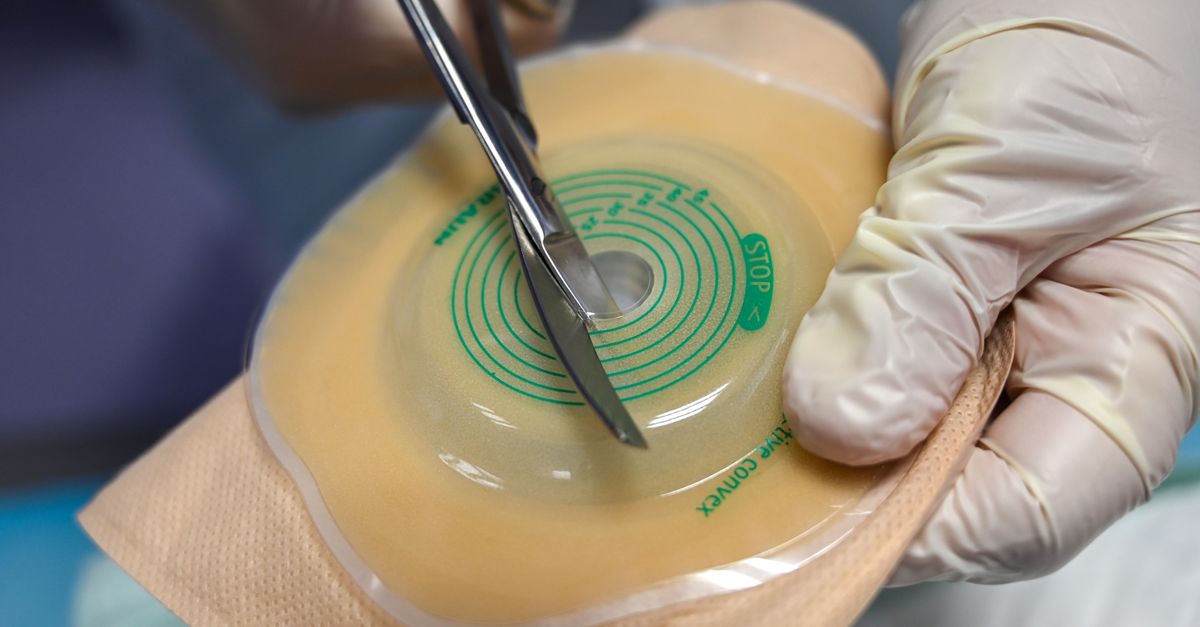
An ostomy is a surgically created opening, called a stoma, that brings part of the intestine to the surface of the abdomen so waste can collect in an external pouch. An ostomy may be needed when the bowel must be rested or diverted, when the rectum or anus has to be removed, or when an emergency leaves a connection unsafe. Some ostomies are temporary, and others are permanent.
Surgical care for colon disease is well studied. Professional guidelines support timely surgery for colon cancer, recommend careful preoperative planning, and favor enhanced recovery practices such as early walking, early eating and good pain control. Marking the ideal stoma site before surgery and teaching ostomy care early are also widely recommended because they reduce complications and improve confidence.
Symptoms and indicators
- Persistent blood in the stool or rectal bleeding
- A lasting change in bowel habits, such as constipation or diarrhea
- Ongoing abdominal pain, cramping or bloating
- Unexplained weight loss or fatigue linked to bowel problems
- A diagnosis of colon polyps, diverticular disease, inflammatory bowel disease or colorectal cancer
- Bowel obstruction, perforation or a need for a temporary or permanent ostomy
What to Expect
- Care begins with a review of symptoms, history, imaging and colonoscopy findings
- Treatment options are explained in plain language, including whether surgery is needed
- Bowel can often be reconnected during the same operation, or a temporary or permanent ostomy may be created
- Enhanced recovery includes early walking, early eating and good pain control
- Follow-up covers recovery, wound healing, nutrition and ostomy care and supplies
Our Approach to Colon and Ostomy Surgery
Initial Assessment
Care begins with a conversation about your symptoms, medical history and prior treatment. Records, imaging and colonoscopy findings are reviewed so the next steps are based on a clear picture of what is happening.
Personalized Plan
Treatment options are explained in plain language, including whether surgery is needed, what type of operation fits your condition, and whether an ostomy would be temporary or permanent.
Ongoing Support
After the operation, follow-up focuses on recovery, wound healing, nutrition and, when relevant, ostomy care and supplies. Questions are welcome at every stage.
Benefits
Clear Explanations
Treatment options are explained in plain language, including whether surgery is needed and whether an ostomy would be temporary or permanent.
Careful Planning
Records, imaging and colonoscopy findings are reviewed so the next steps are based on a clear picture of what is happening.
Coordinated Care
When cancer is involved, coordination with oncology and gastroenterology colleagues helps keep treatment connected.
Ostomy Support
Follow-up includes teaching on pouching systems, skin protection and managing output, with questions welcome at every stage.
What to Expect
First Visit
Review of symptoms, history, imaging and prior tests. You and the surgeon discuss whether surgery is appropriate and what additional testing may be needed.
Week 2-4
Preparation or early recovery, depending on your plan. Before surgery this may include bowel preparation instructions and medication review. After surgery it centers on pain control, walking, diet progression and wound checks.
Month 1-3
Gradual return to normal activity as healing allows. Patients with an ostomy learn to manage the appliance with growing confidence, and follow-up addresses any skin or output concerns.
Long-term
Ongoing surveillance, such as periodic colonoscopy where indicated, and discussion of ostomy reversal when it is an option. Recovery varies from person to person and by the type of procedure.
Procedures and therapies used
Depending on the diagnosis, treatment may include segmental colectomy, right or left hemicolectomy, sigmoid resection, total or subtotal colectomy, or rectal resection. Bowel can often be reconnected during the same operation, while in other cases a colostomy or ileostomy is created to protect a connection or manage disease.
Supportive care is part of treatment too. This may include medication for pain and nausea, antibiotics when infection is a concern, nutrition guidance, wound care, and teaching on pouching systems, skin protection and managing output. When cancer is involved, coordination with oncology and gastroenterology colleagues helps keep treatment connected.
For patients in Lancaster and the surrounding Antelope Valley area, the practice is located at 1658 West Ave J., Lancaster, CA 93534. Call (661) 579-6088 to ask about an evaluation.
Common Questions About Colon and Ostomy Surgery
What is the difference between a colostomy and an ileostomy?
Both create an opening in the abdominal wall so stool can leave the body into a pouch. A colostomy is made from part of the large intestine (colon), while an ileostomy is made from the end of the small intestine (ileum). Which one is used depends on the condition being treated and how much bowel must be bypassed or removed.
Is an ostomy always permanent?
No. Many ostomies are temporary and are created to let a section of bowel heal after surgery, injury or infection. Whether reversal is possible depends on your anatomy, the underlying condition and how well you have recovered. This is discussed before the operation whenever possible.
Can colon surgery be done with minimally invasive techniques?
In many situations, laparoscopic or robotic-assisted approaches can be used and may mean smaller incisions and a shorter recovery. Not every patient is a candidate, especially in emergencies or when there is extensive disease or prior surgery. Your surgeon will explain which approach suits your situation.
How long is recovery after colon surgery?
Hospital stays and recovery times vary with the procedure, your overall health and whether the surgery was planned or urgent. Most people are encouraged to walk early, and lifting restrictions usually apply for several weeks. Your care team will give you specific guidance for your own recovery.
Can I live a normal life with an ostomy?
Many people with an ostomy return to work, exercise, travel and social activities. Modern pouching systems are discreet and secure, and an ostomy nurse or educator can teach pouch changes, skin care and diet adjustments. Adapting takes time, and support is part of the process.
Ready to Get Help with Colon and Ostomy Surgery?
Contact the practice at (661) 579-6088 or reach out online to start the conversation.
Book an Appointment