
Open and Complex Hernia Repair in Lancaster
Open and complex hernia repair addresses abdominal wall and groin hernias that are large, recurrent, or not well suited to a minimally invasive approach. Care at Aldo Gamarra, MD in Lancaster, CA begins with a careful evaluation so the repair fits your anatomy and health.
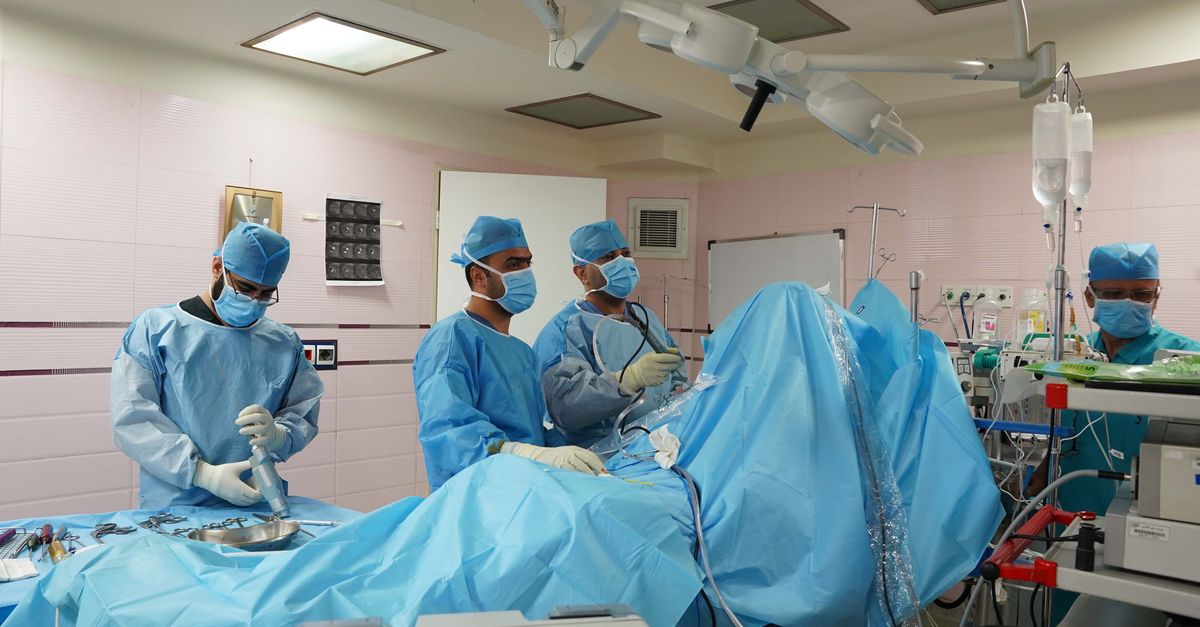
What is Open and Complex Hernia Repair?
A hernia occurs when tissue, often a portion of intestine or fat, pushes through a weak area in the muscle or connective tissue of the abdominal wall. Hernias do not heal on their own, and over time they may enlarge and cause more discomfort. Surgical repair is the established treatment for symptomatic hernias, and the best technique depends on the type, size, and location of the defect.
Open repair means the surgeon reaches the hernia through an incision directly over it. This provides a clear view and strong control of the tissues, which is valuable for large defects, hernias in scarred areas, and cases where the abdominal wall must be reconstructed. Complex repairs may involve releasing muscle layers, removing old mesh, or reinforcing the wall with mesh to restore its strength.
This service is relevant for people with incisional hernias after earlier surgery, recurrent hernias, large ventral or inguinal hernias, and those with other health factors that raise the stakes of repair. Surgical literature supports tailoring the technique to the patient and using reinforcement where appropriate to reduce the chance of recurrence. Managing risk factors such as smoking, blood sugar, and weight before surgery also supports healing.
Common signs and indicators
- A visible or palpable bulge in the abdomen or groin that may grow over time
- Aching, burning, or pressure at the site, especially with lifting or straining
- A bulge at a prior surgical incision (incisional hernia)
- A hernia that has returned after an earlier repair (recurrent hernia)
- Discomfort that worsens by day’s end or with coughing
- Sudden severe pain, nausea, or a firm bulge that cannot be pushed back, which needs urgent care
What to Expect
- Careful evaluation of your history, prior operations, and symptoms, with imaging if needed
- Surgical technique tailored to the type, size, and location of the hernia
- Mesh reinforcement considered where appropriate to reduce recurrence
- Preparation such as stopping tobacco, improving nutrition, and managing chronic conditions
- Follow-up visits to track healing and review activity limits
Our Approach to Open and Complex Hernia Repair
Initial Assessment
We review your history, prior operations, and symptoms, then examine the area. Imaging may be recommended to define the size and contents of a complex hernia.
Personalized Plan
Your plan covers the surgical technique, whether mesh is used, anesthesia considerations, and steps to optimize your health beforehand.
Ongoing Support
After surgery, follow-up visits track healing, review activity limits, and address questions as you return to daily life.
Benefits
Direct visualization
Open repair provides a clear view and strong control of the tissues, which is valuable for large defects and scarred areas.
Tailored technique
The technique is tailored to the type, size, and location of the defect and to your health.
Reinforcement to reduce recurrence
Mesh reinforcement may be used where appropriate to restore strength and reduce the chance of recurrence.
Ongoing follow-up
Follow-up visits track healing, review activity limits, and address questions as you return to daily life.
What to Expect
First Visit
A conversation about your symptoms and history, a physical exam, and discussion of whether imaging or other tests are needed.
Week 2-4
Early recovery after surgery, when rest, wound care, and limited activity are emphasized. Some soreness and swelling are common.
Month 1-3
Gradual return to normal routines as healing progresses. Lifting limits typically stay in place until your surgeon clears you.
Long-term
Healthy habits protect the repair. Contact the office if you notice a new bulge, increasing pain, or signs of infection.
Techniques that may be used
Depending on the hernia, repair may include primary suture closure for small defects, mesh reinforcement placed in a chosen layer of the abdominal wall, or component separation to release muscle and bring tissue together without excess tension. For recurrent hernias, previous mesh may need to be removed or revised.
Pain control, wound care, and activity guidance are part of the plan. Preparation may include stopping tobacco, improving nutrition, and managing chronic conditions to lower the risk of complications.
Timeline note
Timelines vary by person and procedure; your surgeon will give guidance specific to you.
Common Questions About Open and Complex Hernia Repair
What makes a hernia “complex”?
A hernia is often called complex when it is large, has come back after earlier repair, sits in a scarred abdomen, involves loss of abdominal wall domain, or occurs alongside other medical conditions. These factors affect planning and technique.
Why would open repair be chosen over a minimally invasive approach?
Open repair gives direct visualization and access. It is often used for large defects, scarring from earlier operations, or when the abdominal wall needs to be rebuilt. The right approach depends on your anatomy and history, and is decided after an exam.
Will mesh be used?
Mesh reinforcement is commonly used in hernia repair because it is associated with lower recurrence rates than suture-only repair for many hernias. Whether it is appropriate for you is a decision made together with your surgeon.
How long is recovery?
Recovery varies with the size of the hernia, the technique used, and your overall health. Most people gradually resume normal activity over weeks, with lifting restrictions for a period. Your surgeon will give you specific guidance.
How do I schedule a consultation?
Call the office at (661) 579-6088 or use the contact page. The practice is located at 1658 West Ave J., Lancaster, CA 93534.
Ready to Get Help with Open and Complex Hernia Repair?
Call (661) 579-6088 or visit 1658 West Ave J., Lancaster, CA 93534.
Book an Appointment