
Robotic vs Open Colon Resection: Which Is Right for You?
A clear look at both surgical approaches to help you prepare for a conversation with your surgeon.
By Aldo Gamarra, MD · October 2026
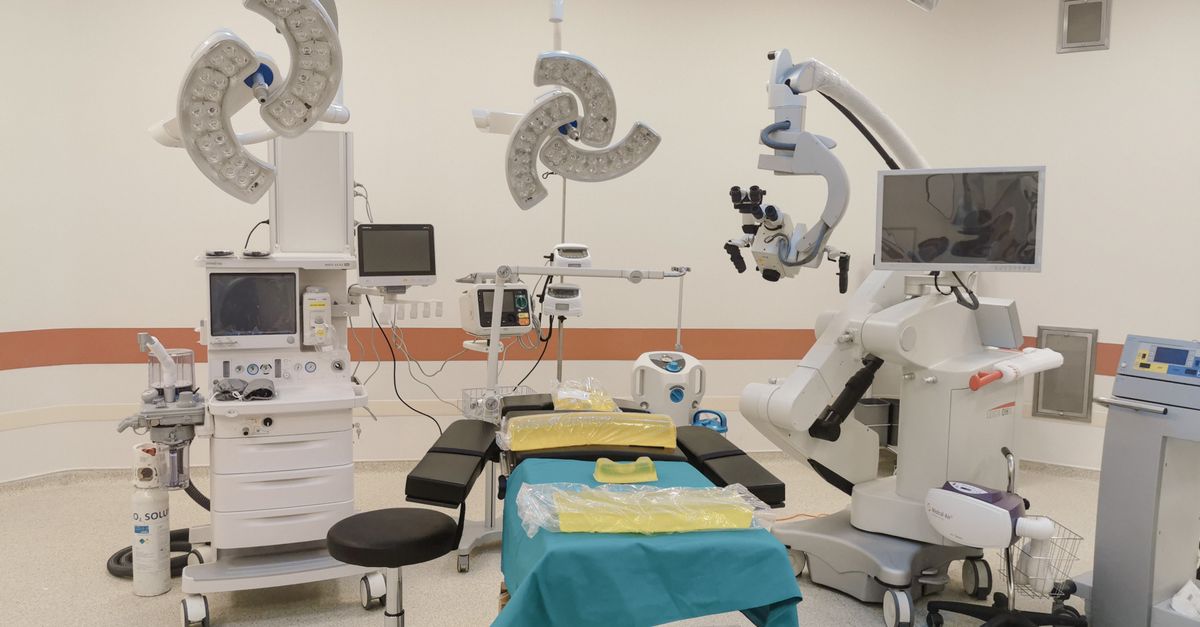
Side-by-Side Comparison
Robotic Colon Resection
In robotic surgery, the surgeon operates from a console that controls instruments placed through small incisions. A magnified three-dimensional view and wristed instruments help with precise work deep in the pelvis or abdomen.
Research on minimally invasive colon surgery generally shows less blood loss, fewer wound problems, and a shorter hospital stay than open surgery, with similar cancer outcomes in appropriately selected patients.
Typical candidates need a planned operation and have manageable prior surgical history. Expect general anesthesia, a hospital stay, early walking, and a gradual return to a normal diet.
Open Colon Resection
Open resection uses a single larger incision, giving the surgeon direct sight and touch. It remains an essential technique and is often the safest choice when conditions are complex.
It is commonly chosen for emergencies such as obstruction or perforation, for large or invasive tumors, and for patients with extensive prior abdominal surgery or dense scar tissue.
Expect general anesthesia, a longer hospital stay, and more incision-related discomfort. Recovery restrictions on lifting usually last several weeks, and your surgeon will guide you.
How to Decide
Choose robotic if...
- Your surgery is planned rather than urgent
- You want smaller incisions and a faster recovery
- You have limited prior abdominal surgery
- Your surgeon feels your anatomy suits it
Choose open if...
- You need emergency surgery
- You have extensive scarring from earlier operations
- The tumor or inflammation is large or complex
- Your surgeon recommends it for safety
Frequently Asked Questions
Is robotic colon resection safer than open surgery?
For suitable patients, studies show comparable safety and cancer outcomes, with fewer wound complications for minimally invasive approaches. Safety depends on your anatomy, diagnosis, and overall health.
Can a robotic operation turn into an open one?
Yes. Conversion to open surgery may be needed if there is heavy scarring, bleeding, or unclear anatomy. It is a safety decision, not a failure.
Which approach has the faster recovery?
Robotic and other minimally invasive approaches generally allow a shorter hospital stay and faster return to activity, though individual recovery varies.
Will my insurance cover either approach?
Coverage depends on your plan. Copays and deductibles apply, so check your benefits and ask the practice about your specific situation.
How do I know which one I need?
Your diagnosis, imaging, prior surgeries, and overall health guide the choice. A consultation with a surgeon is the best way to decide.
Ready to talk through your options?
Call (661) 579-6088 or visit 1658 West Ave J., Lancaster, CA 93534.
Discuss Your OptionsThis page is general information, not medical advice.