
Incisional hernia Treatment in Lancaster
An incisional hernia develops when tissue pushes through a weakened area of the abdominal wall at the site of a prior surgical scar. Our practice in Lancaster, CA provides specialty medical care that begins with a careful evaluation and a clear, personalized plan for your repair or monitoring.
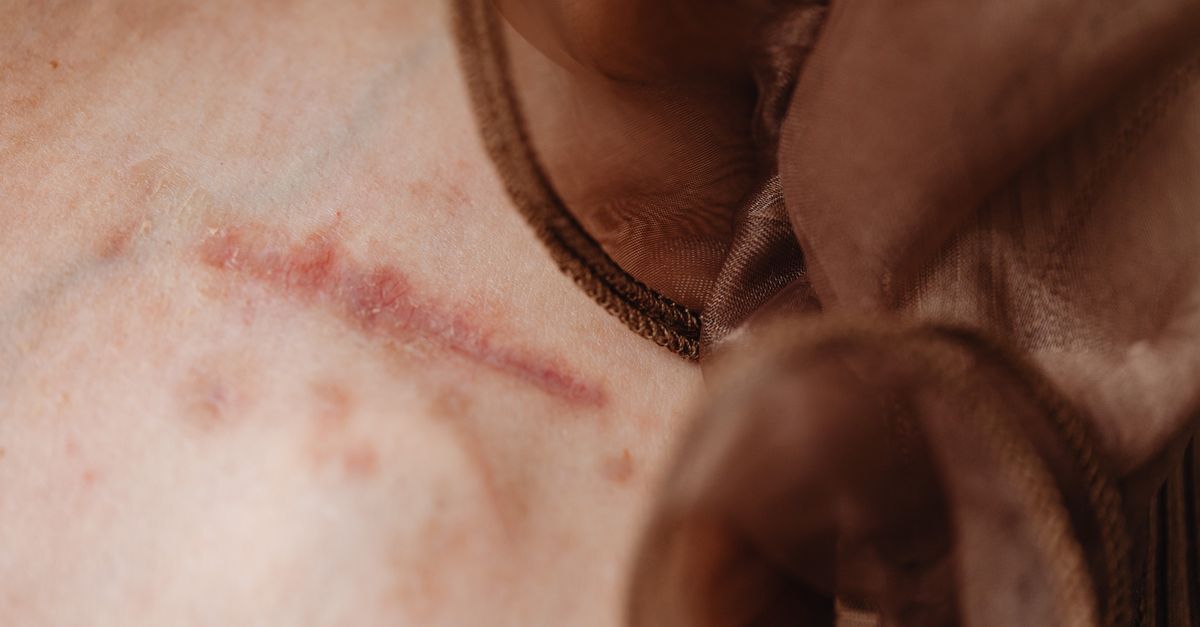
Understanding Incisional hernia
An incisional hernia occurs when the muscle and connective tissue of the abdominal wall fail to heal fully after an operation, leaving a gap through which fat or part of the intestine can bulge. It is one of the more common long-term complications of abdominal surgery, and studies suggest that a meaningful share of people who have had open abdominal operations develop one at some point. The effect on daily life ranges from a cosmetic bump to persistent pain, limits on lifting and exercise, difficulty with clothing, and worry about complications.
Causes relate to how well the incision heals and how much pressure the abdomen faces afterward. Risk factors include obesity, smoking, diabetes, malnutrition, older age, use of corticosteroids or other medicines that slow healing, wound infection, chronic cough, constipation or straining to urinate, pregnancy, and heavy lifting too soon after surgery. The type and length of the original incision, repeated operations through the same scar, and emergency surgery also raise the likelihood. Some people have no obvious risk factor at all.
Professional treatment matters because an incisional hernia does not heal by itself and often grows with time. A larger defect is generally harder to repair, and there is always some risk that bowel becomes trapped, which can cut off blood supply and become an emergency. A thorough evaluation determines the size and contents of the hernia, whether it is causing symptoms, and whether repair, preparation to lower risk first, or careful monitoring is the right choice for you.
Signs & Symptoms of Incisional hernia
- Bulge near a scar. A visible or palpable lump at or beside a prior surgical incision, often more noticeable when standing.
- Bulge that changes with effort. The lump may grow when you cough, lift, strain or stand, and shrink when you lie down.
- Aching or pulling. A dull ache, pressure or pulling sensation around the scar, especially late in the day.
- Discomfort with activity. Lifting, bending, exercise or bowel movements may bring on soreness at the site.
- Sense of weakness. The abdominal wall may feel thin, loose or less supportive near the incision.
- Sharp twinges. Brief stabbing pain may occur with sudden movements, coughing or sneezing.
- Reducible lump. The bulge can often be gently pressed back in or disappears when you recline.
- Gradual enlargement. The hernia may slowly widen over months or years, making it more bothersome.
What to Expect
- Careful evaluation of your surgical history, symptoms and an exam standing and lying down
- Imaging such as ultrasound or CT may define the size of the defect and its contents
- Repair versus monitoring is chosen based on symptoms, hernia size and your health
- Optimization before repair may include smoking cessation, blood sugar control and weight management
- Follow-up visits check your incision, comfort and activity progress
How We Treat Incisional hernia
Assessment
We review your surgical history and symptoms, then examine the abdomen with you standing and lying down. Imaging may be ordered to measure the defect and see what is inside it. You leave knowing what we found and what it means.
Treatment Plan
Together we weigh repair against monitoring based on symptoms, hernia size and your health. If surgery is advised, we explain the technique, anesthesia and preparation steps. We also plan how to lower risks such as smoking or uncontrolled blood sugar.
Ongoing Care
Follow-up visits check your incision, comfort and activity progress. We give clear guidance on lifting, exercise and warning signs. Any concerns or changes are reviewed so the plan can be adjusted.
Benefits
A Personalized Care Plan
Your plan reflects your surgical history, symptoms, goals and overall health rather than a one-size-fits-all approach.
Unhurried Time for Questions
We want you to understand your options, so you are encouraged to ask about risks, recovery and alternatives.
Coordinated Follow-up
Follow-up is planned as part of your care so progress is reviewed and concerns are addressed. The practice is located at 1658 West Ave J., Lancaster, CA 93534.
Your Treatment Journey
First Evaluation (Week 1)
You discuss your surgical history, symptoms and daily activities. An examination, often standing and lying down, assesses the bulge. Imaging such as ultrasound or CT may be recommended to define the size of the defect and its contents. Expect a clear explanation of whether repair is advised and how soon.
Treatment Begins (Weeks 2-4)
Planning starts with optimizing health: managing blood sugar, stopping tobacco, addressing chronic cough or constipation, and discussing weight. If repair is chosen, the approach, anesthesia and recovery steps are reviewed in detail. Small, symptom-free hernias may instead be monitored.
Progress Review (Months 2-3)
After repair, the incision, comfort and activity level are checked. Most people return to light daily activity fairly soon, while heavy lifting is typically restricted for a period your surgeon specifies. Any swelling, fluid or discomfort is evaluated.
Long-term Management (Ongoing)
Recurrence can happen with any hernia repair, so healthy habits and follow-up matter. You will know which changes to report, such as a new bulge or increasing pain, and how to protect the abdominal wall over time.
Warning Signs That Need Prompt Care
Sudden severe pain. Abrupt, intense pain at the hernia can signal trapped or strangulated tissue.
Bulge that will not go back. A lump that cannot be pressed in or no longer shrinks when lying down may be incarcerated.
Nausea or vomiting. These symptoms with a painful bulge can indicate bowel obstruction.
Red or dark skin. Redness, purple or dusky discoloration over the bulge suggests reduced blood supply.
Fever. Fever together with a tender hernia may point to infection or compromised tissue.
No gas or bowel movement. Inability to pass stool or gas along with abdominal pain is a red flag for obstruction.
Swollen, hard abdomen. A firm, distended belly with pain needs prompt medical evaluation.
Rapid enlargement. A bulge that grows quickly or becomes very tender should be examined promptly.
If you recognize these signs, help is available. Early treatment leads to better outcomes.
Evidence-Based Management
Evidence-based management of incisional hernia centers on surgical repair when it is indicated. Techniques include open repair and minimally invasive laparoscopic or robotic approaches, most often reinforced with surgical mesh, which is associated with lower recurrence than suture-only closure for most defects. Choice of technique depends on the size and location of the hernia, previous operations and your health. Before repair, optimization may include smoking cessation, blood sugar control, nutrition and weight management. For small hernias without symptoms, watchful waiting with regular examination is a reasonable option. After surgery, pain is managed with appropriate medicines, and a gradual return to activity helps protect the repair.
Why Choose Aldo Gamarra, MD for Incisional hernia Treatment
A Personalized Care Plan
Unhurried Time for Questions
Coordinated Follow-up
Common Questions About Incisional hernia
How long does incisional hernia treatment take?
The timeline varies. Evaluation and planning may take a few weeks, the repair itself is usually a matter of hours, and recovery depends on the size of the hernia, the technique and your overall health. Your surgeon can give an estimate based on your situation.
Is medication required for an incisional hernia?
Medication does not fix a hernia, because the defect is a structural gap in the abdominal wall. Pain relievers may be used for comfort, and medicines for cough, constipation or other conditions may be adjusted to reduce strain. Definitive treatment is usually surgical repair or watchful monitoring.
Does insurance cover incisional hernia repair?
Coverage differs between plans, and we cannot state which plans are accepted here. Please call the office at (661) 579-6088 to ask about coverage, and contact your insurer to confirm benefits and any authorization requirements.
What if the first treatment does not work?
If symptoms persist or the hernia returns, follow-up evaluation can look for causes such as a new defect, infection, or added strain on the abdominal wall. Imaging and a revised plan, which may include a different repair technique, can then be discussed.
Can an incisional hernia heal on its own?
No. Because it is a gap in the abdominal wall, it does not close by itself and tends to enlarge over time. Supportive measures may ease symptoms, but they do not repair the defect.
When is an incisional hernia an emergency?
Seek emergency care for sudden severe pain, a firm bulge that cannot be pushed back, vomiting, fever, skin discoloration, or inability to pass gas or stool. These can mean trapped or strangulated tissue that needs urgent treatment.
Related Conditions
Get Help for Incisional hernia Today
You don't have to face Incisional hernia alone. We are ready to help. Call (661) 579-6088
Schedule an Appointment