
Inguinal hernia Treatment in Lancaster
An inguinal hernia can turn lifting, exercise and even a cough into a source of groin pain and worry. Aldo Gamarra, MD offers careful evaluation and a personalized treatment plan for patients in Lancaster, CA.
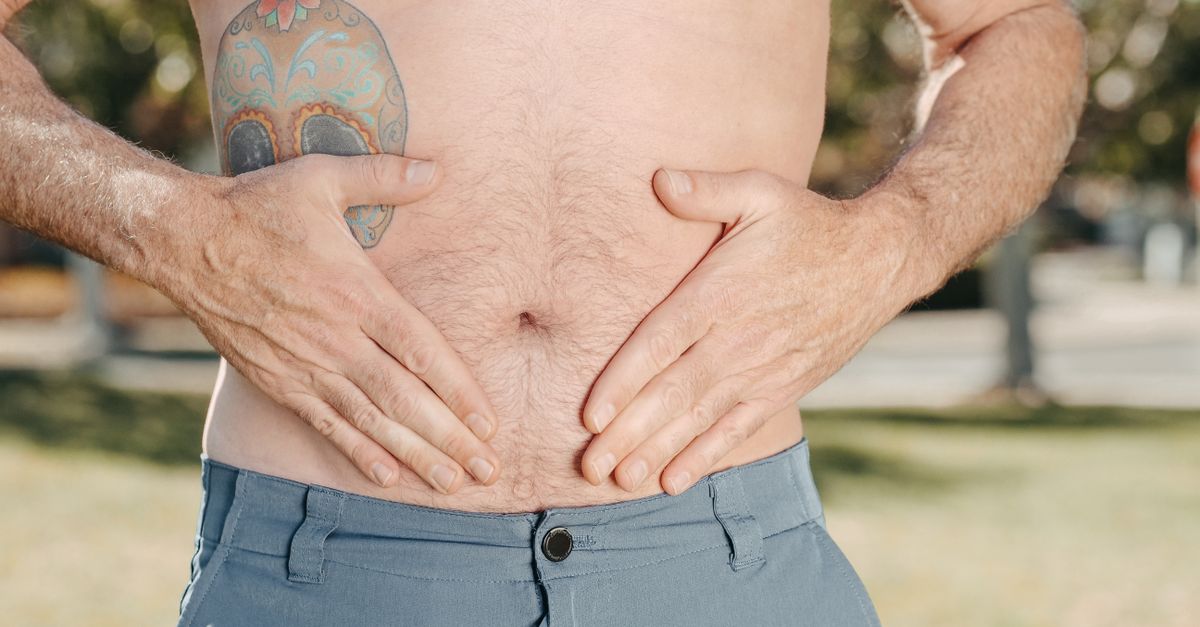
Understanding Inguinal hernia
An inguinal hernia occurs when fatty tissue or a loop of intestine pushes through a weak spot in the lower abdominal wall, in the area of the groin called the inguinal canal. It appears as a bulge on one or both sides of the pubic bone. Inguinal hernias are the most common type of abdominal wall hernia, and they affect men far more often than women, with a substantial share of men developing one at some point in life. Some cause little trouble, while others produce aching, pressure and limits on work, exercise and daily activity.
Some people are born with a natural weakness in the abdominal wall, while others develop one over time. Factors that raise pressure inside the abdomen or strain the tissue include chronic cough, constipation and straining, heavy lifting, obesity, pregnancy, and smoking, which can impair tissue strength. Family history, prior hernia repair, older age, and prematurity at birth also raise risk. Men are more prone because of the path the testicles take during development, which leaves a natural point of weakness.
Professional evaluation matters because an inguinal hernia does not heal by itself and can grow over time. The most serious risk is incarceration, when tissue becomes trapped, and strangulation, when its blood supply is cut off. This is a medical emergency. A clinician can confirm the diagnosis, rule out other causes of groin pain such as muscle strain, and help you decide between monitoring and repair based on your symptoms, health and goals.
Signs & Symptoms of Inguinal hernia
- Groin bulge. A noticeable lump on either side of the pubic bone, often more visible when standing or coughing.
- Dull aching or burning. An aching or burning feeling at the bulge that may come and go through the day.
- Heaviness or pressure. A dragging sensation in the groin, often worse at the end of the day.
- Discomfort with lifting. Pain or pulling when bending, lifting or straining.
- Pain with coughing. Sharp discomfort in the groin during coughing, sneezing or laughing.
- Pain with bowel movements. Straining on the toilet can cause the bulge to appear and ache.
- Scrotal swelling. In men, the hernia may extend into the scrotum and cause swelling or heaviness.
- Bulge that reduces when lying down. The lump often shrinks or disappears when you rest on your back.
What to Expect
- A physical exam checks the groin while you stand and cough
- Imaging such as ultrasound may be considered if the diagnosis is unclear
- Monitoring and repair are weighed based on your symptoms, hernia size and overall health
- Repair options include open, laparoscopic and robotic-assisted approaches
- Follow-up visits track healing and guide your return to lifting and exercise
How We Treat Inguinal hernia
Assessment
We review your symptoms, medical history and activities that bring on discomfort. A physical exam checks the groin while you stand and cough. When the diagnosis is unclear, imaging such as ultrasound may be considered.
Treatment Plan
Together we weigh monitoring against repair based on your symptoms, hernia size and overall health. If repair is advised, we explain the options and what to expect. You leave with a clear, written understanding of the next steps.
Ongoing Care
Follow-up visits track healing or any change in symptoms. We guide you on returning to lifting and exercise at a sensible pace. Any new concern is reviewed promptly so the plan can be adjusted.
Benefits
A personalized care plan
Your plan reflects your symptoms, daily demands and goals rather than a one-size-fits-all approach.
Unhurried time to ask questions
You deserve to understand your diagnosis and options, and to have your questions answered clearly.
Coordinated follow-up
Follow-up visits keep your recovery on track and make sure nothing is overlooked.
Your Treatment Journey
First Evaluation (week 1)
We discuss your history, examine the area and explain what we find. You will know whether monitoring or repair is more appropriate, and what warning signs to watch for.
Treatment Begins (weeks 2-4)
If repair is recommended, planning and scheduling take place. If you are monitoring, you begin lifestyle measures to limit strain. Expect some discomfort after any procedure, with gradual improvement.
Progress Review (month 2-3)
We check healing, symptoms and activity level. Most people are back to regular routines by now, though heavy lifting may still be restricted until cleared.
Long-term Management
Maintaining a healthy weight, avoiding straining and lifting correctly help protect the repair. Hernias can recur, so report any new bulge or pain promptly.
Warning Signs That Need Prompt Care
Sudden severe pain. Intense groin pain that comes on quickly can signal a trapped or strangulated hernia.
Bulge that will not go back. A lump that cannot be gently pushed back or does not shrink when lying down needs prompt evaluation.
Nausea or vomiting. These symptoms with a groin bulge can suggest bowel obstruction.
Fever. Fever alongside a painful hernia may indicate tissue damage or infection.
Red or purple discoloration. Skin over the bulge that darkens suggests reduced blood supply.
No gas or bowel movements. Being unable to pass stool or gas with groin pain is a warning sign.
Rapidly increasing swelling. A bulge that grows quickly or becomes firm and tender needs attention.
Abdominal bloating and cramping. Swelling and cramps with a hernia may indicate an obstruction.
If you recognize these signs, help is available. Early treatment leads to better outcomes.
Evidence-Based Management
Evidence-based management includes watchful waiting for men with minimal or no symptoms, since studies show this is a safe option for many. When repair is recommended, the standard approaches are open repair, laparoscopic repair and robotic-assisted repair. Most use surgical mesh to reinforce the abdominal wall, which lowers recurrence compared with stitches alone. Supportive measures such as weight management, treating chronic cough, avoiding constipation, and proper lifting technique reduce strain. Over-the-counter pain relievers may ease discomfort, though they do not fix the hernia. Trusses or supports may be discussed for short-term comfort, but they are not a cure.
Why Choose Aldo Gamarra, MD for Inguinal hernia Treatment
Find us at 1658 West Ave J., Lancaster, CA 93534, or call (661) 579-6088.
Common Questions About Inguinal hernia
How long does inguinal hernia treatment take?
Timelines depend on the size of the hernia, your symptoms and the approach chosen. Watchful waiting can continue for months or years if symptoms are mild, while surgical repair is typically followed by a recovery period of days to a few weeks before most normal activity resumes. Your recovery plan is reviewed with you in detail.
Is medication required?
There is no medication that repairs a hernia. Pain relievers may be used for comfort, and stool softeners can reduce straining, but the defect in the abdominal wall generally needs a mechanical repair if treatment is advised.
Does insurance cover inguinal hernia treatment?
Coverage varies by plan, and this website does not list which plans the practice accepts. Please call (661) 579-6088 to ask about coverage and what to check with your insurer.
What if the first treatment does not work?
If symptoms continue, the plan is reassessed. That may mean adjusting activity and supportive measures, imaging to look more closely, or discussing a different repair approach. Recurrence after repair is uncommon but possible, and it is evaluated individually.
Can an inguinal hernia heal on its own?
No. A hernia does not close on its own. Small, painless hernias may be monitored, but a bulge that changes or becomes painful should be evaluated.
When is an inguinal hernia an emergency?
Severe sudden pain, a firm bulge that cannot be pushed back, vomiting, fever or discolored skin require immediate emergency care. Do not wait for an appointment.
Get Help for Inguinal hernia Today
You don't have to face Inguinal hernia alone. We are ready to help.
Schedule an Appointment