
Ostomy complications Treatment in Lancaster
Living with an ostomy should not mean living with leaks, painful skin or worry about every change. Our practice in Lancaster, CA evaluates the cause of your problem and builds a clear plan to get you comfortable and confident again.
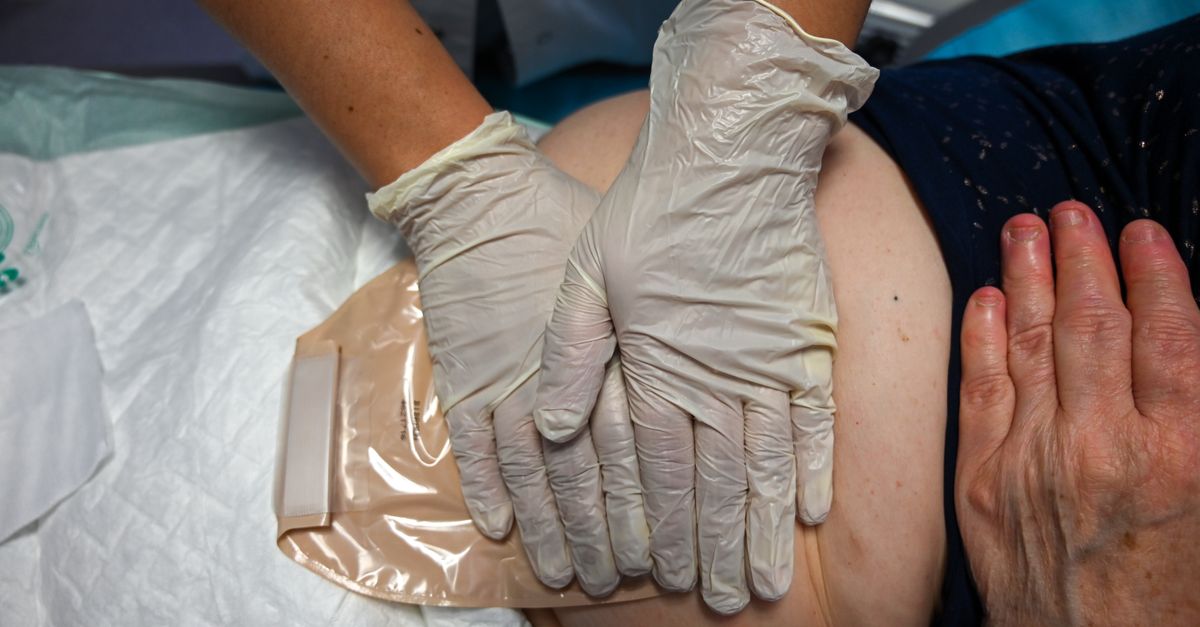
Understanding Ostomy complications
An ostomy is a surgically created opening, called a stoma, that lets stool or urine leave the body into an external pouch. Colostomies, ileostomies and urostomies are created for conditions such as colorectal cancer, inflammatory bowel disease, diverticulitis, trauma and bladder disease. Complications are common: studies suggest that a large share of people with an ostomy experience at least one problem, most often peristomal skin irritation, leakage or a parastomal hernia. These issues can affect sleep, work, intimacy, travel and confidence, and many people quietly put up with them for far too long.
Complications arise for many reasons. Early problems may follow surgery and include stoma retraction, poor blood supply, infection or high output. Later problems often relate to the way the appliance fits, changes in body weight, scarring, or weakness in the abdominal wall around the stoma. Risk factors include obesity, smoking, diabetes, chronic cough, heavy lifting, malnutrition, steroid use, inflammatory bowel disease and emergency surgery. Diet, hydration and certain medications can also change output and skin health.
Professional treatment matters because many ostomy problems look similar but have different causes and need different solutions. A leak could be a pouching issue, a retracting stoma or a hernia pushing the skin out of shape. Untreated skin breakdown can become infected, dehydration can follow high output, and a blockage or trapped hernia can become an emergency. An accurate diagnosis helps you avoid trial and error, protects your health and restores your quality of life.
Signs & Symptoms of Ostomy complications
- Skin irritation around the stoma. Redness, itching or burning on the skin under the pouch barrier is the most frequent problem.
- Pouch leakage. Output seeping under the wafer suggests a poor fit, a changing stoma size or uneven skin.
- Changes in stoma size. The stoma may shrink or swell as healing continues or as weight changes.
- Increased gas or odor. Diet, medications or a poorly sealed pouch can make gas and odor harder to manage.
- Diarrhea or high output. Watery output can cause dehydration and make the pouch difficult to keep sealed.
- Constipation or sluggish output. Reduced output may come from diet, low fluid intake or medications.
- A bulge near the stoma. A soft bulge that grows with coughing or lifting may point to a parastomal hernia.
- Difficulty with appliance wear time. Pouches that need frequent changes may signal a skin or fit problem.
What to Expect
- Evaluation of your stoma, surrounding skin, abdominal wall and appliance
- A personalized plan that may include appliance changes, skin care, diet and fluid guidance, or medication adjustments
- Clear explanation of procedure or surgical repair options when needed
- Follow-up to confirm the skin has healed and the pouch stays sealed
- Guidance on warning signs that should prompt a call
How We Treat Ostomy complications
1. Assessment
We review your surgical history, the type of ostomy you have and when problems began. The stoma, the surrounding skin and the abdominal wall are examined carefully. Your appliance, routine and diet are reviewed so the likely cause can be identified.
2. Treatment Plan
Together we build a plan that fits your body and daily life. It may include appliance changes, skin care, diet and fluid guidance, or medication adjustments. If a problem needs a procedure or surgical repair, we explain the options and what each involves.
3. Ongoing Care
We schedule follow-up to check that the skin has healed and the pouch is staying sealed. Your plan is adjusted as your body changes. You will know which symptoms should prompt a call so small problems are addressed early.
Benefits
A personalized care plan
Your type of ostomy, body shape, daily activities and goals shape the plan, rather than a one-size-fits-all routine.
Unhurried time to ask questions
Ostomy care can feel overwhelming. We take the time to explain what is happening and answer what is on your mind.
Coordinated follow-up
We check on your progress, adjust the plan as needed and make sure you know the next step after each visit.
Your Treatment Journey
First Evaluation (week 1)
We review your history, examine the stoma, skin and abdomen, and look at your appliance. Some problems can be improved right away with a better fit or skin treatment, while others may need further testing.
Treatment Begins (weeks 2-4)
You start your plan, which may include new supplies, skin care, diet changes or medication. Irritated skin often starts to calm within days to a few weeks, though you may need small adjustments along the way.
Progress Review (month 2-3)
We check healing, wear time and comfort. If a hernia, prolapse or retraction persists, we discuss whether support, monitoring or a surgical option is appropriate.
Long-term Management
Your body can change over time, so periodic check-ins help keep the fit and skin healthy. You will know the warning signs that mean you should call sooner.
Warning signs that need prompt care
No output with cramping and vomiting. This combination can mean a bowel blockage and needs urgent evaluation.
Dark, purple or black stoma. A stoma that loses its healthy red-pink color may not be getting enough blood.
Stoma pulling outward. A stoma that lengthens noticeably (prolapse) can become swollen or injured.
Stoma retracting below the skin. Retraction makes sealing difficult and can lead to leaks and infection.
Fever with redness or pus. These can signal infection of the skin or an abscess near the stoma.
Bleeding that does not stop. Persistent or heavy bleeding from the stoma or surrounding skin should be examined.
Painful, hard bulge that cannot be eased. A hernia that becomes tender and firm may be trapped and requires prompt care.
Signs of dehydration. Dizziness, very dark urine, extreme thirst or little urine can follow heavy output.
If you recognize these signs, help is available. Early treatment leads to better outcomes.
Treatment Is Matched to the Problem
Treatment is matched to the problem. Peristomal skin problems are managed with gentle cleansing, barrier rings or pastes, moisture-absorbing powders, and sometimes topical medication for irritation or fungal infection. Leaks are addressed by remeasuring the stoma and choosing a flat, convex or other suitable appliance, sometimes with a belt. High output is managed with fluid and electrolyte guidance, dietary changes and medications that slow the bowel. Constipation and blockage risk are reduced with hydration and food choices. Parastomal hernias may be managed with support garments and monitoring, while prolapse, retraction, stenosis or a symptomatic hernia may call for surgical revision. Infections are treated with drainage or antibiotics as appropriate.
Why Choose Aldo Gamarra, MD for Ostomy complications Treatment
Find us at 1658 West Ave J., Lancaster, CA 93534, or call (661) 579-6088.
Common Questions About Ostomy complications
How long does treatment for ostomy complications take?
It depends on the problem. Mild skin irritation often improves within a couple of weeks once the appliance fit is corrected. Hernias, prolapse or retraction may need longer-term management or a surgical decision, and your plan is reviewed as you progress.
Is medication required?
Not always. Many complications improve with appliance changes and skin care. Some patients benefit from medicated powders, anti-diarrheal or stool-bulking medications, or treatment for infection, and these are recommended only when appropriate.
Does insurance cover ostomy complication care?
Coverage varies by plan, and we cannot state which plans are accepted here. Please call (661) 579-6088 and the office can talk through your questions. Your insurer can also confirm coverage for visits and supplies.
What if the first treatment does not work?
Ostomy problems often take some trial and adjustment. If the first approach does not help, we reassess the cause, try a different appliance or strategy, and consider further evaluation or a procedure when needed.
When should I seek urgent care instead of an office visit?
Go to an emergency department for a stoma that turns dark, no output with vomiting and severe cramping, a painful hernia that will not ease, heavy bleeding, or signs of severe dehydration.
Can I prevent ostomy complications?
Many can be reduced with a well-fitted appliance, gentle skin care, adequate fluids, careful lifting after surgery, and regular check-ins as your weight or body changes. Routine follow-up helps catch issues early.
Get Help for Ostomy complications Today
You don't have to face Ostomy complications alone. We are ready to help.
Schedule an Appointment