
Complex non-healing wounds Treatment in Lancaster
A wound that refuses to heal is more than an inconvenience; it is a sign that something is interfering with your body's natural repair process. Our practice in Lancaster, CA looks for the underlying reasons and builds a clear, step-by-step plan to help your wound close.
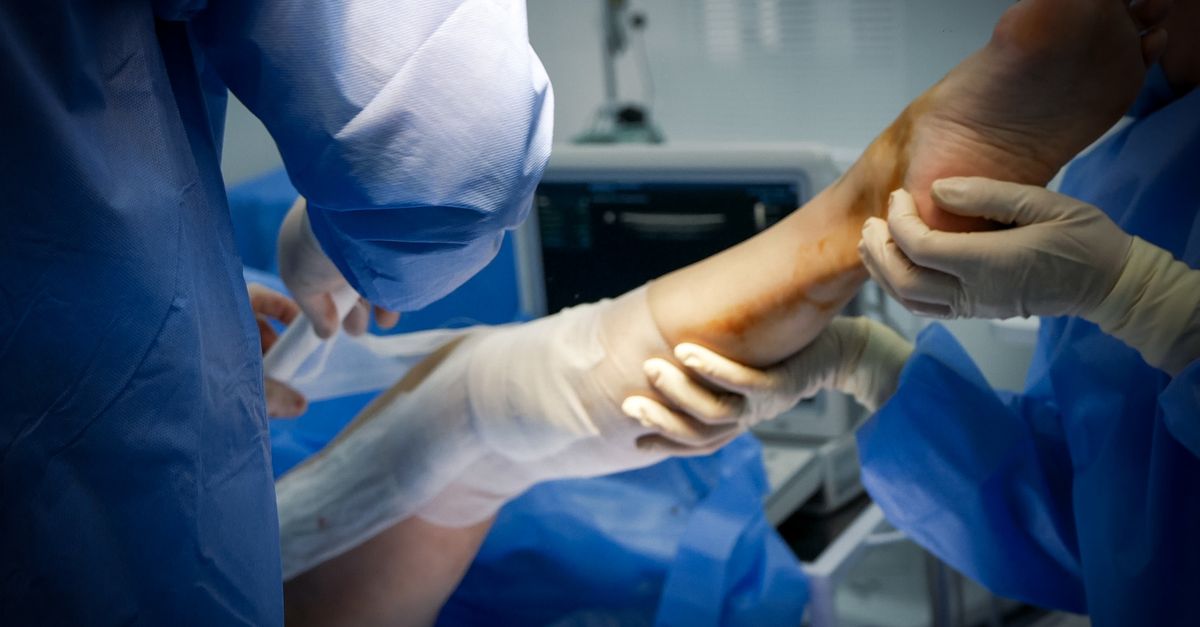
Understanding Complex non-healing wounds
A complex non-healing wound, sometimes called a chronic wound, is generally one that has not progressed through the normal stages of healing in about four weeks. Healthy skin repair moves through bleeding control, inflammation, new tissue growth and remodeling. In a chronic wound, the process becomes stuck, most often in the inflammatory phase. Millions of people live with chronic wounds, and they are especially common among older adults and people with diabetes, vascular disease or limited mobility. Living with an open wound can mean pain, repeated dressing changes, restricted activity, sleep disruption, worry about infection and a real toll on independence and mood.
Non-healing wounds rarely have a single cause. Common drivers include poor arterial blood flow, venous insufficiency with chronic leg swelling, diabetes with nerve damage and impaired immune response, and sustained pressure on skin over bony areas. Other contributors are infection, biofilm (a protective layer of bacteria that resists healing), prior radiation, surgical wounds that open, inflammatory conditions, poor nutrition, smoking, repeated trauma and certain medications. Age, obesity, kidney disease and reduced mobility raise the risk further. Often several factors overlap, which is why a wound can stall even when it is cleaned and bandaged carefully.
Professional treatment matters because a chronic wound will usually not heal until what is holding it back is identified and corrected. Without that, wounds can become infected, spread into deeper tissue or bone, and in serious cases lead to hospitalization or loss of a limb. A structured evaluation looks at circulation, infection, pressure, nutrition and medical conditions together, then matches dressings and therapies to the wound's actual needs. Early, consistent care improves the chance of closure and lowers the chance that the wound returns.
Signs & Symptoms of Complex non-healing wounds
- A wound open for weeks. A sore or incision that has shown little improvement after about four weeks of care.
- Persistent drainage. Ongoing fluid from the wound that may be clear, yellow or bloody.
- Wound edges that do not close. Edges look thick, rolled or stalled rather than gradually drawing together.
- Pain or tenderness. Soreness around the wound that continues or worsens over time.
- Discolored surrounding skin. Redness, darkening or a purplish tone around the wound site.
- Swelling in the area. Puffiness, often in the legs or feet, that slows circulation and healing.
- Dead or yellow tissue in the wound bed. Slough or dark tissue that can block new healthy tissue from forming.
- Recurring wounds. A sore that heals and then reopens in the same location.
- Spreading redness. Redness that expands beyond the wound edge can signal a spreading infection.
- Fever or chills. Systemic symptoms may mean infection is moving beyond the wound.
- Foul odor or pus. Thick, cloudy or smelly drainage is a classic sign of infection.
- Rapidly increasing pain. Sudden worsening pain may indicate deep infection or loss of blood supply.
- Exposed bone, tendon or deep tissue. A deepening wound needs prompt evaluation to prevent serious complications.
- Black or blue tissue. Dark, dying tissue suggests poor blood flow and requires urgent attention.
- Numb, cold or pale skin. These changes in a foot or leg can point to reduced circulation.
- Wound growing larger. Any wound that is getting bigger or deeper rather than smaller needs care soon.
What to Expect
- A wound open about four weeks with little improvement should be evaluated
- Assessment of circulation, infection, pressure, nutrition and medical conditions
- Treatment plan tailored to the wound's cause with dressings, cleaning and pressure or swelling relief
- Regular re-measurement at follow-up visits, with the plan adjusted if progress slows
- Prevention steps discussed after closure to lower the risk of recurrence
How We Treat Complex non-healing wounds
Assessment
We review your medical history, medications and how the wound began, then examine its size, depth, tissue and signs of infection. Circulation, nerve function and nutrition are considered because they strongly affect healing. Additional testing may be recommended to uncover what is keeping the wound open.
Treatment Plan
Your plan is tailored to the wound's cause and condition, combining wound cleaning, appropriate dressings and relief of pressure or swelling. Infection is treated when present, and underlying conditions are addressed. We explain each step so you and your caregivers know how to manage the wound between visits.
Ongoing Care
Wounds are re-measured and reassessed at follow-up visits to confirm they are moving toward closure. If progress slows, the plan is adjusted rather than repeated unchanged. After closure, we discuss prevention steps to lower the risk of the wound returning.
Benefits
A Personalized Care Plan
No two wounds are alike. Your plan reflects your wound, your health history and your daily life, rather than a one-size-fits-all routine.
Unhurried Time to Ask Questions
Understanding your wound helps it heal. We take the time to explain what we find, answer your questions and make sure you feel confident about next steps.
Coordinated Follow-Up
Healing is tracked over time. Follow-up visits keep your plan on course and help connect the other parts of your care.
Your Treatment Journey
First Evaluation (Week 1)
We review your history, examine the wound, and look for causes such as poor circulation, infection or pressure. You leave with an initial plan and clear instructions for wound care at home.
Treatment Begins (Weeks 2-4)
Cleaning, dressings and any needed debridement or infection treatment get underway. Early signs of progress include less drainage, healthier tissue color and a slightly smaller wound, though many wounds change slowly.
Progress Review (Month 2-3)
We compare measurements and appearance against earlier visits. If healing has stalled, we reassess the cause and consider adjusting dressings, adding therapies or arranging further testing.
Long-term Management
Once closed, skin remains fragile for months. We focus on protecting the area, managing underlying conditions and watching for early signs of recurrence. Some wounds take longer than others, and setbacks can happen.
Evidence-Based Wound Care
Evidence-based wound care typically rests on several pillars. Debridement removes dead or infected tissue so healthy tissue can grow, and may be done by sharp, enzymatic or autolytic methods. Moisture-balancing dressings such as foams, hydrocolloids, alginates and antimicrobial dressings are chosen based on drainage and infection risk. Compression therapy is a cornerstone for venous leg ulcers once adequate arterial flow is confirmed, while offloading devices protect diabetic foot and pressure wounds. Negative pressure wound therapy, skin substitutes and other advanced options may be considered for wounds that stall despite standard care. Topical or oral antibiotics are reserved for true infection, and vascular evaluation, blood sugar control and nutrition support are used alongside local wound treatment.
Signs Closing Note
If you recognize these signs, help is available. Early treatment leads to better outcomes.
Why Choose Aldo Gamarra, MD for Complex non-healing wounds Treatment
A Personalized Care Plan; Unhurried Time to Ask Questions; Coordinated Follow-Up
Contact
1658 West Ave J., Lancaster, CA 93534 · (661) 579-6088
Common Questions About Complex non-healing wounds
How long does complex wound treatment take?
It depends on the wound's size, depth, cause and your overall health. Some wounds close within a few weeks of the right care, while larger or deeper wounds, or those tied to circulation problems, can take several months. Progress is measured regularly so the plan can be adjusted.
Is medication required?
Not always. Many wounds are managed with cleaning, dressings, pressure relief and treating the underlying cause. Antibiotics are used only when infection is present, and other medications may be recommended to help control conditions such as diabetes or pain.
Does insurance cover complex wound care?
Coverage varies by plan and by the services involved. Please call the practice at (661) 579-6088 to ask about coverage, and check with your insurer about your specific benefits.
What if the first treatment does not work?
This is common with complex wounds and does not mean healing is impossible. If a wound stalls, the plan is reviewed: the underlying cause is re-examined, testing may be repeated, and different dressings, debridement approaches or advanced therapies may be considered.
When should I see someone about a wound that will not heal?
A wound that shows no improvement after about four weeks should be evaluated. Seek care sooner for spreading redness, fever, pus, severe pain or dark tissue, since infections can progress quickly.
What can I do at home to help my wound heal?
Keep the dressing clean and changed as directed, relieve pressure on the area, elevate swollen legs when advised, avoid smoking, eat enough protein and keep blood sugar controlled if you have diabetes. Do not use harsh products on the wound unless advised.
Get Help for Complex non-healing wounds Today
You don't have to face Complex non-healing wounds alone. We are ready to help.
Schedule an Appointment