
You notice a soft bulge near your belly button, or along an old surgical scar. It may be painless, it may ache when you cough or lift, and you may be tempted to ignore it. A bulge in the abdominal wall is easy to dismiss, but it is worth understanding. Ventral and incisional hernias are common, and knowing what they are can help you decide when to seek care.
What Is a Ventral Hernia?
The abdominal wall is made of layers of muscle and connective tissue that hold your organs in place. A hernia occurs when a weak spot or opening in that wall allows fat or part of the intestine to push through. A ventral hernia is any hernia that develops on the front of the abdomen. This group includes umbilical hernias near the belly button and epigastric hernias between the breastbone and the navel.
What Is an Incisional Hernia?
An incisional hernia is a type of ventral hernia that forms at the site of a previous surgical incision. Even when a wound appears to heal well on the outside, the deeper layers of muscle and fascia may not regain their full strength. Over months or years, pressure inside the abdomen can push through that weakened area. These hernias can appear after open abdominal surgery, and they may also develop at the small incisions used in minimally invasive procedures.
Who Is at Risk?
Anyone can develop a ventral hernia, but certain factors raise the likelihood. Research has consistently linked incisional hernias to factors that either increase pressure on the abdominal wall or interfere with healing:
- Previous abdominal surgery, especially with a wound infection afterward
- Obesity or rapid weight changes
- Smoking, which impairs tissue healing
- Diabetes and other conditions that slow recovery
- Pregnancy, chronic cough, or chronic constipation
- Heavy lifting or straining, particularly soon after surgery
Symptoms to Watch For
The most common sign is a visible or palpable bulge that may become more obvious when you stand, cough, or strain and may flatten when you lie down. Some people feel a dull ache, pressure, or a pulling sensation. Others have no discomfort at all.
Even when a wound appears to heal well on the outside, the deeper layers of muscle and fascia may not regain their full strength.
Seek urgent medical attention if a hernia becomes firm, very tender, or discolored, or if the bulge cannot be pushed back in. Severe pain combined with nausea, vomiting, fever, or an inability to pass gas or stool can signal that tissue is trapped or has lost its blood supply. This is a medical emergency.
How Are These Hernias Evaluated and Treated?
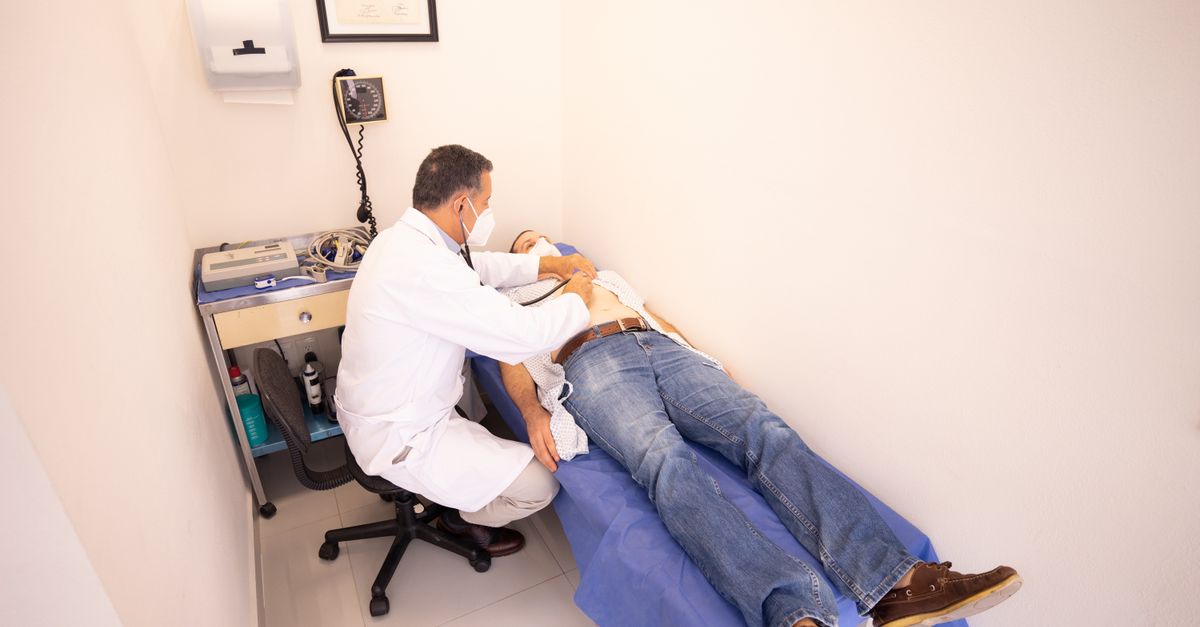
Diagnosis usually begins with a history and physical exam, often with you standing and coughing so the bulge becomes visible. Imaging such as ultrasound or CT may be used when the exam is unclear, when the hernia is large, or when there is a history of multiple operations.
Unlike some minor conditions, ventral and incisional hernias do not heal on their own, because the defect in the muscle wall does not close by itself. Treatment depends on size, symptoms, and your overall health. Small, painless hernias are sometimes monitored carefully. Surgical repair is commonly recommended for hernias that cause symptoms, are growing, or carry a risk of complications. Repairs may be done through an open approach or with minimally invasive techniques, and many involve reinforcing the wall with surgical mesh. Studies have found that mesh repair generally lowers the chance of recurrence compared with stitches alone for larger defects, though the best option varies from person to person.
Practical Steps You Can Take
- Note when the bulge appears, whether it goes away when you lie down, and whether it is getting larger.
- Avoid heavy lifting and straining until you have been evaluated.
- Treat constipation and chronic cough, since both raise pressure inside the abdomen.
- Keep a healthy weight and avoid smoking, which both support better tissue healing.
- Ask about the right time to return to lifting and exercise after any abdominal surgery.
When to Get Help
A hernia is rarely something to be embarrassed about, and finding out early often gives you more choices. If you have noticed a bulge in your abdomen, new discomfort near a surgical scar, or simply have questions, a professional evaluation can bring clarity. You can call the practice of Aldo Gamarra, MD in Lancaster, CA at (661) 579-6088 to ask about next steps.