
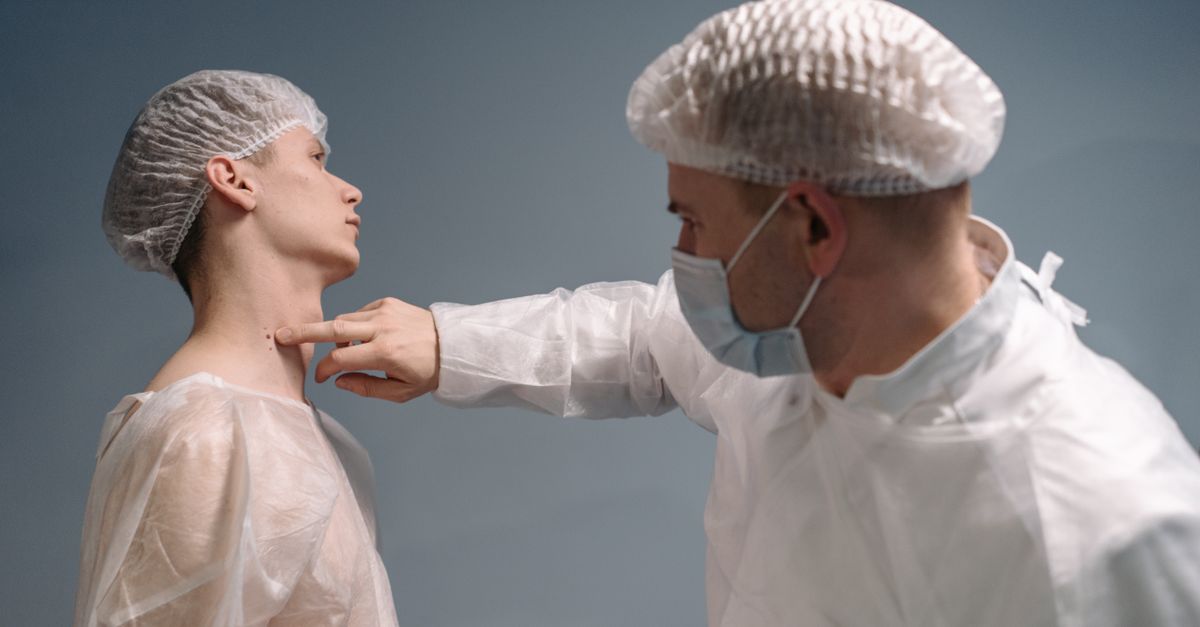
A new spot on your skin can be unsettling. Maybe a mole looks different, a bump keeps catching on your clothing, or a growth simply will not go away. Once you decide to have it removed, a practical question follows: will this happen in an office, or do you need an operating room? The answer is usually reassuring, and understanding it can ease a lot of worry.
What Is Skin Lesion Removal?
A skin lesion is any area of skin that looks or feels different from the skin around it. Many are harmless, such as cysts, lipomas, skin tags, benign moles and seborrheic keratoses. Others, including some moles and sun-related growths, can be precancerous or cancerous. Removal may be done for diagnosis, for treatment, for comfort, or for appearance.
Common techniques include shave removal, punch removal, excision with stitches, and freezing or cautery for certain superficial growths. Which one fits depends on the type, depth and location of the lesion.
When an Office Setting Is Often Appropriate
Most small to moderate skin lesions can be removed in an office under local anesthesia. With this approach, the area is numbed with an injection and you stay awake, usually without needing to fast or arrange extended recovery time. Office removal is commonly considered when:
- The lesion is small and sits close to the surface of the skin.
- The area is easy to reach and does not lie near delicate structures.
- You are generally healthy or your medical conditions are well controlled.
- You can tolerate a local numbing injection comfortably.
Benefits include convenience, lower anesthesia exposure, and a faster return to routine activities. Medical literature generally supports that minor skin procedures performed under local anesthesia have low complication rates when done with proper technique and sterile precautions.
When an Operating Room May Be Recommended
Some situations call for the added resources of an operating room or surgical facility. These may include:
- Large or deep lesions that need extensive excision or reconstruction.
- Growths near the eyes, nose, lips, ears, or other delicate areas where precision matters.
- Lesions suspected to be aggressive or to extend into deeper tissue.
- Patients who are very anxious, unable to stay still, or who need sedation or general anesthesia.
- Health factors such as bleeding risks or other conditions that call for closer monitoring.
Choosing an operating room is not a sign that something is wrong. It simply means the setting is matched to the needs of the procedure and to your safety.
Choosing an operating room is not a sign that something is wrong.
Why Pathology Matters
Whether removal happens in the office or an operating room, a removed lesion is often examined under a microscope. This step, called pathology, confirms what the growth actually was and whether all of it was taken out. Even lesions that look harmless can occasionally surprise, so laboratory review is a widely accepted safeguard, particularly for pigmented lesions.
How to Prepare and What to Ask
A little preparation helps your visit go smoothly and helps your clinician choose the right setting.
- Take a photo of the spot now so you can show any change over time.
- Write down when you first noticed it and whether it has grown, bled, itched or changed color.
- List your medications, especially blood thinners, and any allergies, including to numbing medicine or adhesives.
- Ask whether the removed tissue will be sent to a laboratory for examination.
- Ask what wound care and activity limits to expect afterward.
Recovery and Aftercare
After removal, you will typically be given instructions for keeping the area clean, covered and protected. Some soreness, mild swelling or small amounts of drainage can be expected. Contact your clinician promptly if you notice spreading redness, increasing pain, pus, fever, or bleeding that does not stop with gentle pressure. Sun protection on the healing area helps minimize visible scarring over time.
Take the Next Step
You do not have to decide on your own whether a spot needs attention or where it should be treated. An evaluation can clarify what the lesion is, whether removal is advised, and which setting is safest and most comfortable for you. If you have a skin change that concerns you, contact the practice of Aldo Gamarra, MD in Lancaster, CA at (661) 579-6088 to discuss your options.