
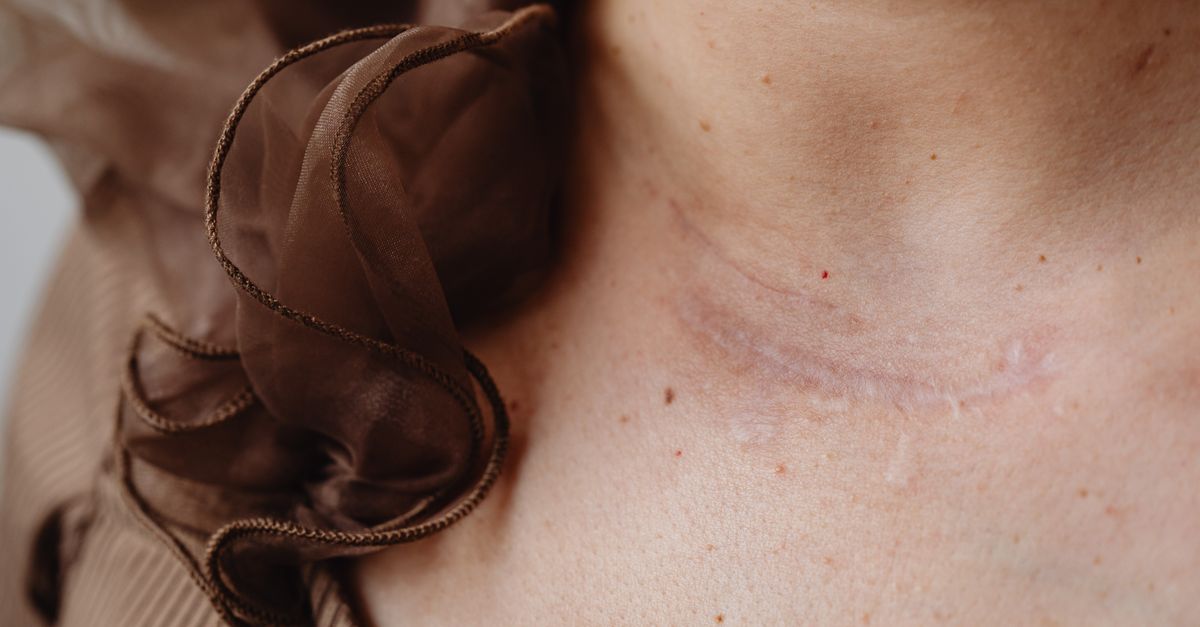
For many people, the surgery itself is only part of the story. Once the stitches are out and the bandages come off, a new reality appears: a scar. Some people barely notice theirs. Others feel self-conscious, or worry that the area looks red, raised, or tight. If you are wondering what is normal and what you can do to help your skin heal well, you are asking a very reasonable question.
What a Scar Actually Is
A scar is the body's natural way of repairing deeper skin damage. When an incision cuts through the dermis, the layer beneath the surface, the body fills the gap with collagen. This repair tissue is strong, but it is arranged differently from the surrounding skin, which is why a scar looks and feels different. It lacks the same elasticity, and it often has no hair follicles or sweat glands.
Every surgical incision leaves some degree of scarring. The goal of good scar care is not to erase it, but to support healing so the scar ends up as flat, soft, and faint as your skin allows.
The Stages of Scar Healing
Scar healing is slow, and it helps to know what to expect. Generally, it unfolds in overlapping phases:
- Inflammation (first days): the area may be swollen, tender, and pink or red as the body begins cleaning and repairing the wound.
- Rebuilding (weeks): new collagen forms and the wound closes. The scar may look raised, firm, and darker or redder than nearby skin.
- Remodeling (months to a year or more): collagen reorganizes, and the scar usually softens, flattens, and fades.
Many scars look their worst at a few weeks to a few months and then improve considerably. Patience is a real part of treatment.
Who Is More Likely to Scar Noticeably
Anyone who has surgery will scar, but several factors influence how prominent it becomes. These include genetics, skin tone, age, the location of the incision, and how much tension the wound is under. Incisions over joints, the chest, or the shoulders often stretch more as you move. Smoking, poorly controlled diabetes, nutritional deficits, and infection can slow healing and make scarring worse. People with a personal or family history of raised scars may be more prone to them.
Practical Scar Care Tips
Always follow the specific instructions from the surgeon who operated on you, since wound care differs by procedure. In general, these steps are widely recommended:
- Keep the wound clean and covered as directed. Preventing infection is the most important early step, and a moist, protected wound tends to heal better than a dry, crusted one.
- Do not pick at scabs or pull off strips. Let them fall off on their own to avoid reopening the wound.
- Protect the scar from the sun. New scars can darken permanently with ultraviolet exposure. Cover the area or use broad-spectrum sunscreen once the wound has closed.
- Consider gentle massage once cleared. After the incision has fully closed and your surgeon agrees, firm, circular massage may help soften the tissue and ease tightness.
- Try silicone sheets or gel. Studies suggest silicone products can help reduce raised, thick scars when used consistently for several weeks to months.
- Support your body. Eat enough protein, stay hydrated, avoid smoking, and keep chronic conditions well managed.
What the Research Says
The evidence is strongest for silicone-based products and sun protection. Many other popular remedies, including vitamin E and various oils, have mixed or limited support in clinical studies, and some can irritate the skin. This does not mean they are harmful for everyone, but it is worth being cautious about expensive products that promise to erase scars. Pressure garments are sometimes used after burns, and for stubborn raised scars, a doctor may discuss steroid injections, laser treatments, or other in-office options.
When to Seek Medical Advice
Some changes deserve prompt attention. Contact a doctor if you notice:
- Increasing redness, warmth, swelling, or pain around the incision
- Pus, foul-smelling drainage, or fever
- The wound edges separating or reopening
- A scar that keeps growing, becomes very thick, itchy, or painful, or limits movement
Thick, raised scars that grow beyond the original incision are known as keloids, while those that stay within the incision are called hypertrophic scars. Both can often be treated, and earlier evaluation generally gives you more options.
Be Kind to Yourself While You Heal
A scar is a record of something your body went through, often to restore your health. It is normal to have mixed feelings about it. If your scar is affecting your comfort, movement, or confidence, you do not have to simply wait and worry. Asking questions is part of good recovery, and a medical professional can help you understand what is typical for your situation and what next steps make sense.
If you have concerns about how a surgical scar is healing, contact the practice of Aldo Gamarra, MD in Lancaster, CA at (661) 579-6088 to talk through your questions.