Waking up after surgery to find a pouch on your abdomen can feel overwhelming. Many people worry about what others will think, whether they can return to normal life, and how they will manage something so unfamiliar. If that sounds like you or someone you love, take a breath: an ostomy is often a life-saving or life-improving step, and most people adapt and go on to live full, active lives.
What Is an Ostomy?
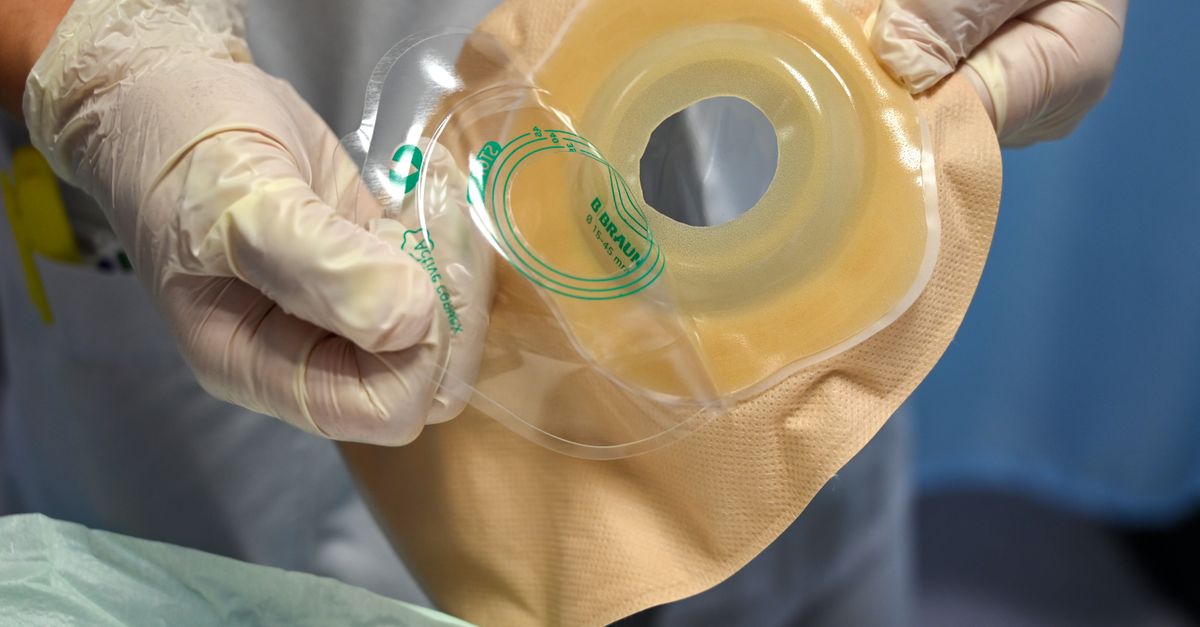
An ostomy is a surgically created opening that lets waste leave the body through the abdominal wall. The visible portion of the bowel or urinary tract that sits on the skin is called a stoma. It is typically red or pink, moist, and has no pain sensation of its own. Waste collects in an external pouch that is attached with an adhesive barrier.
The three most common types are a colostomy (made from the large intestine), an ileostomy (made from the small intestine), and a urostomy (which diverts urine). Some ostomies are temporary, allowing the bowel to heal before being reconnected, while others are permanent.
Who Needs an Ostomy?
Ostomies are created for many reasons, including colorectal or bladder cancer, inflammatory bowel disease such as Crohn's disease or ulcerative colitis, diverticulitis, bowel obstruction, traumatic injury, and certain birth conditions. People of every age and background can be affected. Hundreds of thousands of people in the United States live with an ostomy, so you are far from alone.
The Emotional Side of Adjusting
Grief, anxiety, embarrassment, and worry about intimacy are all common reactions. Research on people with ostomies consistently shows that quality of life tends to improve over time, especially when patients receive good education before and after surgery. Feeling unsure at first does not mean you are failing to cope.
Most people adapt and go on to live full, active lives.
Talking with your care team, joining a support group, or connecting with others who have an ostomy can make a real difference. Many patients find that hearing practical advice from people who have been through it eases fears quickly.
Everyday Ostomy Care Tips
Good routines build confidence. A wound, ostomy, and continence nurse can show you how to fit and change your appliance. These habits help most people:
- Change your pouching system on a regular schedule, before leaks develop.
- Measure the stoma and cut the barrier opening to fit snugly without pinching.
- Empty the pouch when it is about one-third to one-half full.
- Keep the skin around the stoma clean and dry, and avoid harsh or oily products.
- Carry a spare pouching kit whenever you leave home.
- Drink enough fluids and eat regular meals, chewing food thoroughly.
Food, Activity, and Work
Most people can eat a wide variety of foods after recovery. Introduce new foods gradually and note how your body responds. Some foods, such as nuts, popcorn, and raw vegetables, may cause blockages for people with an ileostomy, so chew well. Gas-producing foods can increase pouch swelling and odor for some people, and special filters can help.
Once your surgeon clears you, you can usually return to work, travel, swimming, and exercise. Avoid heavy lifting early in recovery to reduce the risk of a parastomal hernia, and ask about a support belt if you are active. Many people shower with the pouch on or off without any problem.
When to Seek Medical Help
Contact a healthcare professional promptly if you notice any of the following:
- A stoma that turns dark purple, brown, or black
- Persistent skin redness, blistering, or open sores around the stoma
- No output for several hours with cramping, nausea, or vomiting
- Signs of dehydration, such as dizziness, dark urine, or extreme thirst
- Fever, or a bulge near the stoma that is painful
You Do Not Have to Do This Alone
Living with an ostomy is a learning process, and questions are expected. If you have concerns about your care, your recovery, or how to manage daily life, reach out to a healthcare professional who can look at your individual situation. To talk with the practice of Aldo Gamarra, MD in Lancaster, CA, call (661) 579-6088 or use our contact page.