
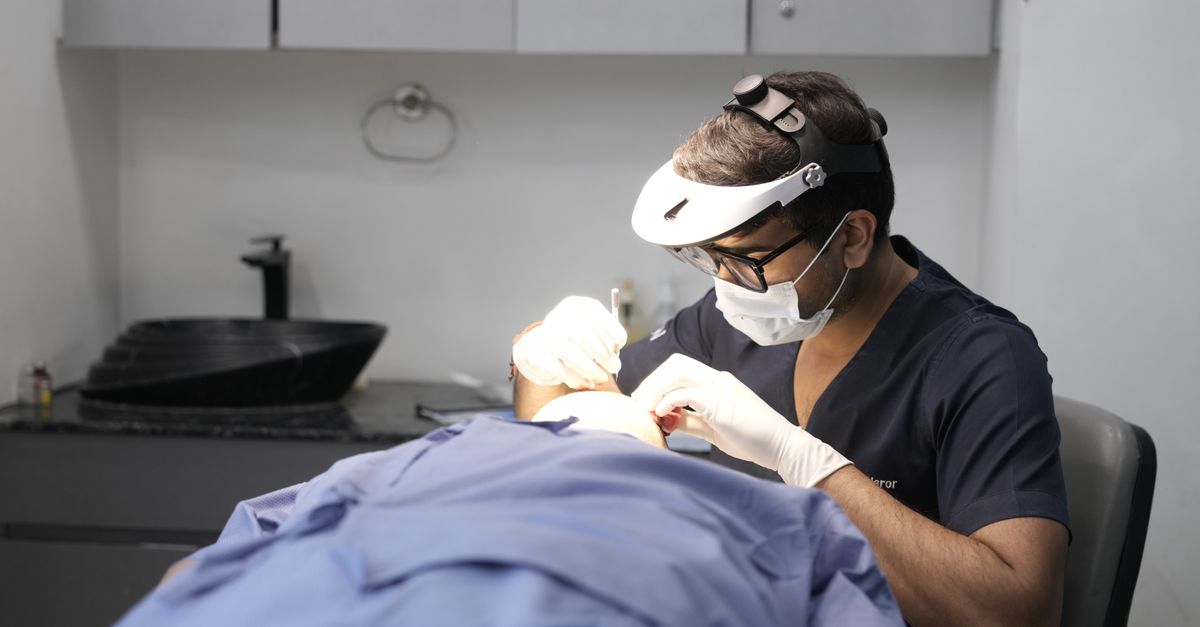
A small cut, a piercing, or a surgical incision heals, and then the scar keeps growing. It rises, thickens, and sometimes itches or aches. For people with keloids, a scar can become a daily reminder of an injury long past, and it can affect confidence as much as comfort. If this sounds familiar, you are not alone, and there are options worth knowing about.
What Is a Keloid?
A keloid is a raised scar that grows beyond the boundaries of the original wound. Normal scars stay within the injury line and often flatten and fade over time. Keloids, by contrast, result from an overactive healing response in which the skin keeps producing collagen after the wound has closed. They can appear firm, rubbery, shiny, and pink, red, or darker than the surrounding skin. They may develop weeks or even months after the injury.
Keloids are often confused with hypertrophic scars. Both are raised, but hypertrophic scars stay within the wound edges and may improve on their own. Keloids rarely shrink without treatment.
Who Is Affected?
Anyone can develop a keloid, but they are more common in people with darker skin tones and in those with a family history of keloids. They most often appear between puberty and about age 30. Common triggers include ear piercings, acne, surgical incisions, burns, vaccinations, and minor scratches. Areas with more tension on the skin, such as the chest, shoulders, upper back, and earlobes, are especially prone.
Why Treatment Matters
Keloids are not dangerous in the sense of being cancerous, but they can cause real problems. Many people experience itching, tenderness, or pain. Keloids over joints can limit movement, and those in visible areas can cause emotional distress. Because they tend to come back, it helps to understand the options and set realistic expectations early.
Common Treatment Options
No single approach works for everyone, and many people do best with a combination. Options that clinicians commonly discuss include:
- Corticosteroid injections. Injected directly into the scar, these are often a first-line choice. They can soften and flatten the keloid and reduce itching. Treatments are usually repeated over several visits.
- Silicone sheets or gel. Worn over the scar for many hours a day, these can help flatten scars and are often used for prevention after treatment.
- Cryotherapy. Freezing the keloid from the inside can shrink smaller lesions, though it may lighten the skin in some people.
- Pressure therapy. Compression devices, often used on earlobes, can help limit regrowth after treatment.
- Laser therapy. Certain lasers may reduce redness and improve texture, often alongside other treatments.
- Other injectable medicines. Some clinicians use medications such as 5-fluorouracil or others, alone or with steroids.
- Surgical removal. Cutting out a keloid on its own often leads to regrowth, sometimes larger than before. Surgery is usually paired with steroid injections, radiation, or pressure to lower recurrence.
- Radiation therapy. Used selectively after surgery for stubborn keloids, under specialist guidance.
What the Evidence Says
Research consistently shows that keloids have a high recurrence rate, particularly with surgery alone. Combination approaches generally perform better than any single method. Steroid injections have the longest track record, while newer options continue to be studied. Because responses vary from person to person, the right plan depends on the size, location, and age of the keloid, as well as your skin type and goals.
Practical Tips and Prevention
- Clean any new wound gently and keep it covered and moist while it heals.
- Tell your clinician about a personal or family history of keloids before any elective procedure, piercing, or surgery.
- Avoid unnecessary piercings or cosmetic procedures on areas prone to keloids, such as the chest, shoulders, and earlobes.
- Use silicone sheets or gel on new scars if your clinician recommends them.
- Protect healing skin from sun exposure.
- Do not try to cut off or pick at a keloid at home.
When to Seek Professional Help
Consider an evaluation if a scar is growing, painful, itchy, limiting movement, or bothering you. A clinician can confirm that it is a keloid, rule out other skin conditions, and talk through options that fit your situation. Earlier treatment is often easier than treating a long-standing keloid. If you are in the Lancaster, CA area, you are welcome to contact the practice at (661) 579-6088 to ask about your concerns.