
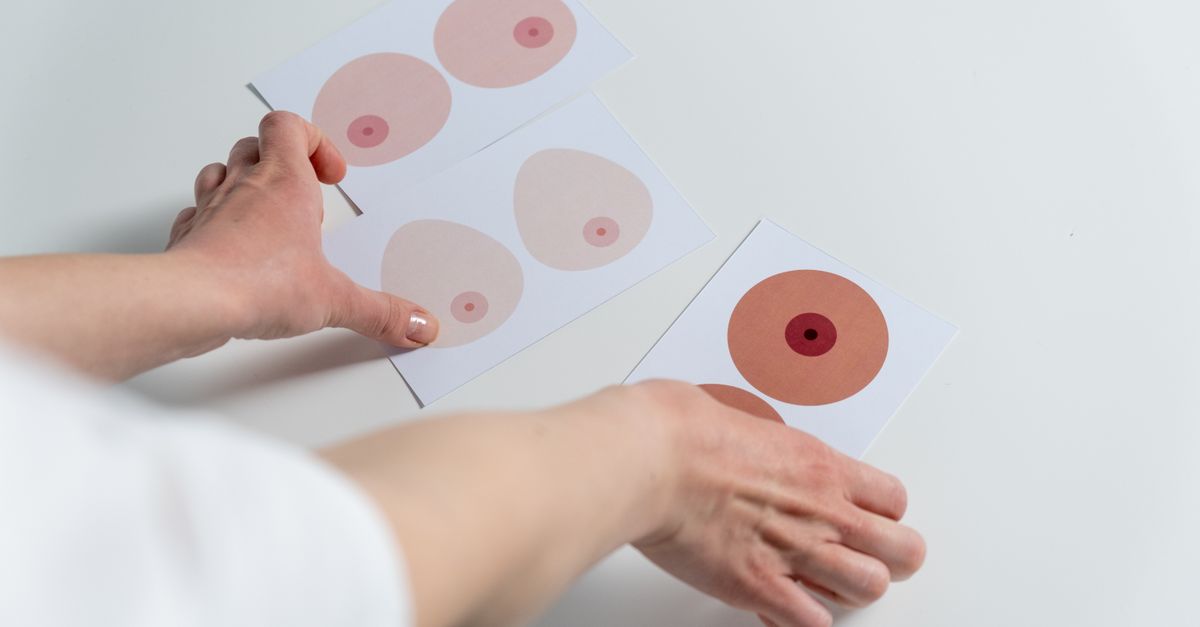
Finding a lump in your breast can stop you in your tracks. Your mind may race ahead to the worst possibilities within seconds. It helps to know that most breast lumps are not cancer, but it is just as important to know that every new lump deserves attention. Understanding what to look for, and when to call, can turn fear into a clear next step.
What Is a Breast Lump?
A breast lump is any area of tissue that feels distinct from the surrounding breast. It may feel like a pea, a marble, or a thickened ridge. Lumps can be soft or firm, smooth or irregular, movable or fixed in place. Some are painless, while others are tender. Because breast tissue is naturally somewhat lumpy and changes across the month, it can be hard to tell on your own what is normal and what is new.
Common Causes of Breast Lumps
Many lumps come from benign (non-cancerous) conditions. Some of the more common ones include:
- Cysts: fluid-filled sacs that often feel smooth and may change with the menstrual cycle.
- Fibroadenomas: solid, rubbery, non-cancerous growths, most often found in younger women.
- Fibrocystic changes: hormone-related lumpiness and tenderness that can come and go.
- Infection or abscess: a painful, warm, red area, sometimes related to breastfeeding.
- Fat necrosis: a firm area that can follow injury or surgery.
Breast cancer can also present as a lump, which is why a lump should never be assumed harmless without an evaluation. You cannot reliably tell a benign lump from a cancerous one by touch alone.
Who Is Affected
Breast lumps can occur at any age and in any gender, although they are far more commonly reported by women. Breast changes are common in the reproductive years because of hormonal shifts. The risk of breast cancer rises with age, and factors such as a family history of breast or ovarian cancer, certain inherited gene changes, prior chest radiation, and dense breast tissue can raise it further. Men have breast tissue too, and a new lump in a man should be checked as well.
Signs That Call for Prompt Evaluation
Medical guidelines generally encourage anyone who notices a new or changing breast finding to have it assessed. Contact a clinician soon if you notice:
- A new lump or thickened area that does not go away after one menstrual cycle.
- A lump that is hard, fixed, or growing.
- Dimpling, puckering, or skin that looks like an orange peel.
- Nipple discharge, especially bloody or from one breast only, or a nipple that turns inward.
- Redness, scaling, or swelling of the breast.
- A lump or swelling in the armpit or near the collarbone.
- A change in the size or shape of one breast.
Pain alone is less often a sign of cancer, but persistent or severe pain is still worth discussing.
What an Evaluation Involves
An evaluation usually begins with a conversation about your symptoms, personal health, and family history, followed by a clinical breast exam. Depending on your age and findings, the next step may be imaging. Diagnostic mammography is commonly used, and ultrasound is especially helpful for distinguishing a fluid-filled cyst from a solid mass, particularly in younger women or those with dense breasts. If something remains unclear or looks suspicious, a biopsy, where a small tissue sample is examined, provides a definitive answer. Many people feel relieved to learn that the process is methodical and that most results are reassuring.
Practical Tips While You Wait
- Note when you first noticed the change, its location, and whether it varies with your cycle.
- Get familiar with how your breasts normally look and feel so changes stand out.
- Gather your family history of breast, ovarian, and other cancers.
- Keep up with recommended screening mammograms, but remember screening does not replace evaluating a lump.
- Do not delay because a recent mammogram was normal. A new lump still needs to be examined.
Take the Next Step
Worry is natural, but waiting rarely makes it easier. If you have found a breast lump or noticed any change described above, reach out for an evaluation. Dr. Gamarra's practice in Lancaster, CA can be reached at (661) 579-6088 to discuss your concerns and next steps. Getting answers early gives you the most options and the most peace of mind.